

“Manipal Hospital Goa Holds Cancer Awareness Session For Teachers At Khandola College”
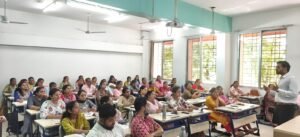
Khandola College, August 14th, 2026: Manipal Hospital Goa conducted a cancer awareness and prevention session for teachers at Khandola College, focusing on early detection, screening, risk factors and the importance of timely medical consultation.
The sessions were part of a one-day training programme on Awareness on Cancer Prevention and Precautions, aimed at strengthening awareness among community stakeholders about cancer prevention, early warning signs and timely referral. The programme was Directed by Course Director, Shri. Neelay Gunaji Desai, Core Faculty-Social Work, GIPARD, who facilitated the programme and guided participants through the community action planning exercise. Dr. Yogesh Dessai, Medical Officer (AYUSH), PHC Corlim, addressed the participants on cancer as a community health concern, covering lifestyle-related risks, common myths and misconceptions, early warning signs, and the importance of timely referral.
Dr. Kachare said, “Cancer awareness should help people recognise when something needs medical attention rather than create fear. Understanding warning signs and seeking advice early can make a meaningful difference. Teachers can help take this information into families and communities.”
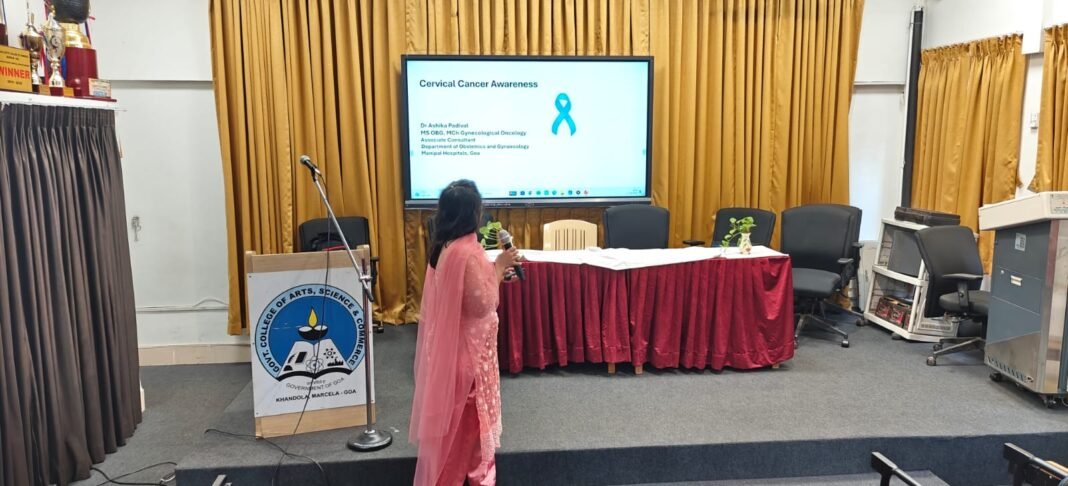
The second session was led by Dr. Ashika Padival, Consultant – Gynaecological Oncology, Manipal Hospital Goa, covering uterus, cervical, breast and ovarian cancers, with emphasis on screening and early evaluation.
Dr. Padival said, “Women should be aware of the screening options available for breast and cervical cancers and should not ignore persistent or unusual symptoms. Early evaluation can help identify problems at a stage when they may be easier to manage.”
The programme also addressed cancer myths, lifestyle-related risks and the role of communities in prevention and referral. It concluded with discussions on community-level action plans, including the concept of a Cancer-Free Village, followed by a summary and evaluation.
The broader programme covered cancer myths and misconceptions, lifestyle-related risk factors, early warning signs and the role of communities in prevention and referral. Participants were encouraged to share accurate information and promote timely medical evaluation rather than relying on misconceptions or delaying care.
The programme concluded with discussions on developing community-level action plans for cancer prevention, including the concept of a Cancer-Free Village, followed by a summary and evaluation session.





 Loading ...