

Alzheimer’s and Dementia: A Growing Health Concern Among Goa’s Ageing Population
Panaji: With Goa’s ageing population increasingly facing memory-related concerns, early recognition and diagnosis of Alzheimer’s disease and other forms of dementia have become important healthcare priorities. Doctors are urging families not to dismiss persistent forgetfulness, behavioural changes or declining cognitive abilities as a normal part of ageing.
Dr Amrut SD, Consultant Neurologist at Manipal Hospital Goa, said the hospital is witnessing an increase in elderly patients and families seeking medical attention for memory-related concerns, including forgetfulness, changes in behaviour, difficulty managing routine activities and progressive memory decline.
“Clinically suspected cases of memory disorders and Alzheimer’s disease are certainly increasing,” Dr Amrut said, adding that the actual number of people living with Alzheimer’s in Goa could be higher than the number of diagnosed cases.
He explained that establishing a definitive diagnosis can sometimes require more than a clinical assessment. In selected patients, biomarkers and specialised investigations, including PET scans and amyloid PET imaging, may help confirm whether Alzheimer’s disease is responsible for the symptoms. However, limited availability, high costs and lack of awareness about early evaluation remain challenges.
Alzheimer’s disease and other forms of dementia, he noted, represent a significant health concern among the state’s ageing population.
Dr Amrut stressed that families should pay attention when memory problems become frequent, progressive and begin affecting a person’s daily activities. Repeatedly asking the same questions, forgetting recent conversations or events, difficulty managing finances or medications, getting lost in familiar places, struggling to find common words and problems performing familiar tasks are among the warning signs that require medical attention. Significant changes in personality or behaviour should also not be ignored. While occasional forgetfulness may occur with ageing, persistent memory problems that interfere with everyday functioning warrant a medical evaluation.
According to Dr Amrut, lack of awareness, stigma and the tendency to associate memory loss with normal ageing can contribute to delayed diagnosis. Families may wait until symptoms become severe before seeking medical help. In some cases, greater attention is given to physical conditions such as diabetes, high blood pressure and heart disease, while gradual changes in memory and cognition may go unnoticed.
“Not every memory problem is Alzheimer’s disease. Some causes may be treatable or reversible, and early diagnosis allows families to plan appropriate treatment, safety measures and long-term care,” he said.
He emphasised that timely medical assessment can help identify the underlying cause of memory impairment and enable families to make informed decisions about treatment and caregiving.
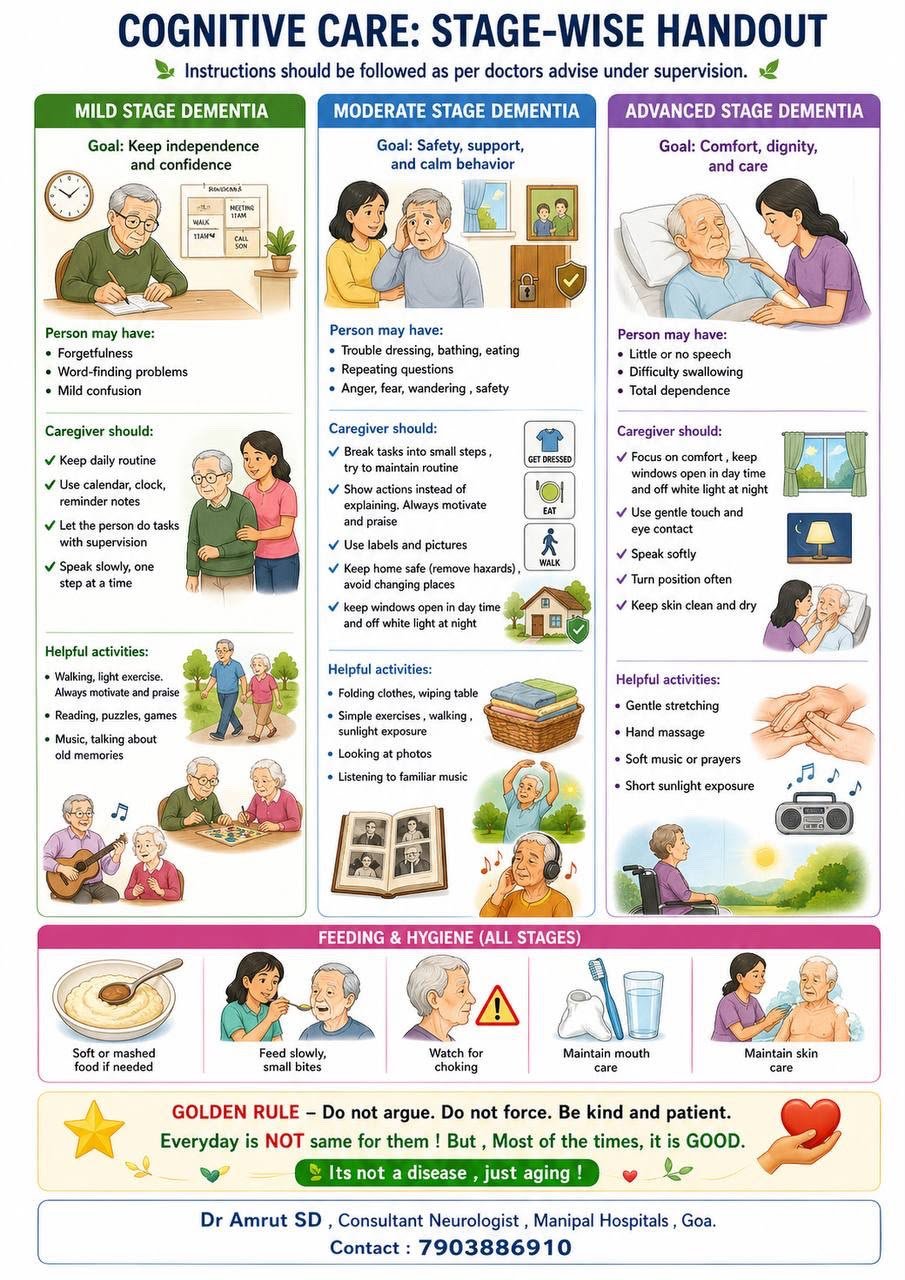
Caring for a person with Alzheimer’s can place considerable physical, emotional and financial demands on families. As the disease progresses, patients may require supervision with medication, finances, cooking, travelling and personal care. Behavioural symptoms, sleep disturbances, wandering and communication difficulties can further increase the burden on caregivers.
Dr Amrut said Alzheimer’s care extends beyond medication and requires a comprehensive approach involving regular medical follow-ups, cognitive and physical activity, good nutrition, a safe home environment and appropriate management of other medical conditions. He also urged caregivers to look after their own health and seek assistance from other family members, healthcare professionals and available hospital-based services.
Although there is no guaranteed way to completely prevent Alzheimer’s disease, certain lifestyle measures may help reduce dementia risk or delay cognitive decline. Regular physical activity, a healthy diet, adequate sleep, social interaction and keeping the brain mentally active are important. Managing risk factors such as high blood pressure, diabetes, high cholesterol and obesity, along with avoiding smoking, can also play a role in maintaining cognitive health.
Dr Amrut highlighted that hearing loss should be recognised and appropriately treated. Staying socially connected and continuing meaningful activities can contribute to overall cognitive and emotional well-being.
Early diagnosis also helps doctors determine the type and stage of cognitive impairment and recommend suitable treatment, counselling and long-term care planning. Depending on the diagnosis, disease stage and individual suitability, medications and newer disease-specific therapies may be considered in selected patients.
On the occasion of World Alzheimer’s Day, Dr Amrut urged Goan families to seek medical advice if an elderly member repeatedly forgets recent events, becomes confused in familiar surroundings, struggles with previously familiar activities or displays unexplained changes in behaviour or personality.
The first step, he said, is to consult a physician or neurologist for a detailed medical history and cognitive assessment. Further investigations may be recommended to identify potentially reversible causes and determine whether the symptoms are associated with Alzheimer’s disease or another form of cognitive impairment.
“Most importantly, families should approach the problem with patience and empathy. Alzheimer’s disease affects not only the patient but the entire family,” he said.
As awareness around dementia grows, timely medical evaluation, informed caregiving and greater community understanding will be essential to helping affected individuals and their families navigate the challenges of Alzheimer’s disease.





 Loading ...