

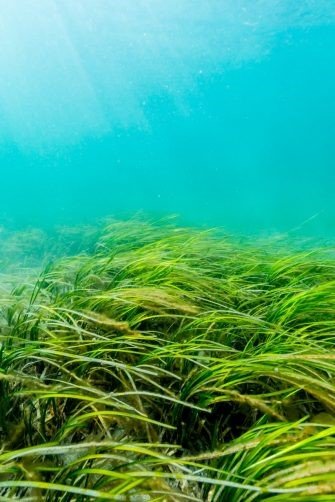
Warming seas can threaten the hidden relationship that supports seagrass meadows
SYDNEY: (May 6) On the western side of Lake Macquarie in New South Wales, Australia, sits Myuna Bay, a quiet bay with meadows of seagrass waving beneath the water. The most common marine plant species you find there is Zostera muelleri. It has long ribbon-like leaves that grow from stems (called rhizomes) buried beneath the sediment and provides important shelter for small fish, shrimp and crabs.
Although Myuna Bay looks quite normal, it is actually a bit unusual. For decades, the nearby Eraring power station released warm water into the lake that was used to cool down their systems, causing water temperatures here to be consistently 1°C to 3°C higher than nearby sites.
This made the bay a rare natural laboratory for understanding what warming oceans might mean for coastal ecosystems.





 Loading ...