

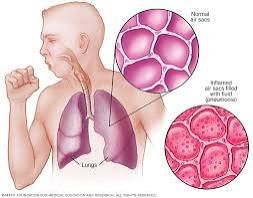
Pneumonia remains a significant health concern in Goa; early diagnosis and vaccination key to prevention
Panaji: Observed annually on November 12, World Pneumonia Day highlights the importance of raising awareness about pneumonia, its prevention and the need for timely medical intervention. Marking the occasion, Dr. Ashwini Collaco, Consultant – Pulmonology, Manipal Hospital Goa, emphasised that pneumonia continues to be a significant cause of respiratory illness, hospitalisation and mortality in Goa, with children below five years, senior citizens and individuals with underlying health conditions among the most vulnerable groups.
Highlighting the importance of awareness, early diagnosis and preventive healthcare, Dr. Collaco said that hospitals in Goa continue to see a substantial number of community-acquired pneumonia cases, particularly during the monsoon and winter seasons.
Although comprehensive state-wide data on pneumonia incidence are limited, the disease remains a concern across age groups. Dr. Collaco pointed out that Goa’s ageing population makes pneumonia prevention and early recognition among senior citizens particularly important.
She explained that individuals above 65 years, children below five years and people suffering from conditions such as diabetes, COPD, asthma, heart disease and compromised immunity are at greater risk of developing severe pneumonia.
Goa’s climatic and environmental conditions can also influence respiratory health. High humidity, monsoon-related dampness, seasonal weather fluctuations and mould exposure can aggravate existing respiratory conditions and increase vulnerability to infections. Other contributing risk factors include construction-related dust, roadwork, vehicular emissions, mining-related occupational exposure in certain areas, indoor smoke, poor ventilation and tobacco consumption, including passive smoking.
However, Dr. Collaco clarified that humidity and dust exposure alone do not directly cause pneumonia. The infection is usually caused by bacteria or viruses and, less commonly, fungi. Environmental exposures can nevertheless aggravate lung conditions and compromise respiratory health.
One of the challenges in managing pneumonia is that its initial symptoms can resemble those of a common cold or seasonal flu, often resulting in delayed medical attention. Persistent cough, with or without sputum, fever, chills, body aches, breathlessness, rapid breathing, chest pain, fatigue and loss of appetite are among the common symptoms.
Dr. Collaco advised people not to ignore persistent fever, worsening cough or increasing breathlessness. Difficulty breathing, low oxygen saturation, bluish discolouration of the lips, confusion, unusual drowsiness or an inability to eat and drink require immediate medical attention.
She also highlighted that pneumonia can present differently among elderly patients, who may not necessarily develop a fever. Sudden confusion, reduced appetite, excessive weakness or a decline in their ability to carry out routine activities could be early warning signs.
Diagnosis generally involves a clinical examination, oxygen saturation assessment and chest X-ray. Depending on the patient’s condition, doctors may recommend blood investigations, sputum examination, microbiological tests or CT imaging. “Early diagnosis is crucial because timely treatment can prevent complications such as respiratory failure, sepsis and multiorgan dysfunction,” she said.
Pneumonia is particularly concerning at the two extremes of age. In children below five years, the immune system is still developing and the infection can progress rapidly. Parents should watch out for fast breathing, chest indrawing, difficulty feeding, persistent fever and unusual lethargy.
Among senior citizens, age-related changes in immunity and reduced lung reserve make them more susceptible to severe infections. Recovery can also be prolonged, particularly among those with underlying medical conditions. Dr. Collaco emphasised that people with diabetes, COPD, asthma, heart disease, chronic kidney disease, cancer and compromised immunity need to be particularly vigilant.
She added that pneumonia is not restricted to people with pre-existing illnesses, as even otherwise healthy young adults can develop severe infections requiring hospitalisation.
Emphasising the role of vaccination, Dr. Collaco said pneumococcal vaccines are an important tool in preventing pneumococcal disease and reducing the risk of severe complications. Pneumococcal bacteria, particularly Streptococcus pneumoniae, are among the important causes of bacterial pneumonia. Pneumococcal conjugate vaccines and pneumococcal polysaccharide vaccines provide protection against selected strains of these bacteria.
While these vaccines cannot prevent every type of pneumonia, they significantly reduce the risk of vaccine-type invasive pneumococcal disease. She recommended that parents ensure children receive timely immunisation under the Universal Immunisation Programme, which includes pneumococcal conjugate vaccination. Senior citizens, particularly those above 65 years, and individuals with underlying health conditions should consult their physicians regarding pneumococcal vaccination.
Annual influenza vaccination is also particularly important for older adults, children and people with chronic illnesses. Alongside vaccination, maintaining hand hygiene, adequate nutrition, regular physical activity, avoiding tobacco exposure and ensuring proper indoor ventilation are important preventive measures.
Dr. Collaco identified public awareness, early diagnosis and preventive healthcare as three important areas requiring attention in Goa. She called for awareness initiatives through hospitals, schools, primary healthcare centres and local media to educate people about pneumonia symptoms, risk factors and vaccination. She also stressed the need to encourage timely medical evaluation, improve access to oxygen saturation assessment and chest X-rays, and strengthen the ability of primary healthcare providers to recognise severe pneumonia and facilitate timely referrals to tertiary-care facilities.
Addressing common misconceptions, she pointed out that pneumonia is not simply a severe cold or cough that will resolve on its own. At the same time, not every pneumonia patient requires hospitalisation. Treatment depends on the severity of the infection, oxygen levels, age and underlying medical conditions. Mild cases can often be managed at home under medical supervision, while severe cases may require hospitalisation, oxygen support and intensive care.
“Pneumonia is preventable in many cases and treatable when diagnosed early, but it can be life-threatening when neglected. We need to move beyond simply treating pneumonia to actively preventing it through vaccination, awareness and early diagnosis,” Dr. Collaco said.
On World Pneumonia Day, observed on November 12, she urged people to become more aware of pneumonia symptoms, understand the importance of vaccination and seek timely medical attention rather than dismissing persistent respiratory symptoms as seasonal infections. She encouraged families to recognise warning signs, seek medical attention early and protect vulnerable members through appropriate vaccination.





 Loading ...