

Life After Liver Transplant for Children: A New Beginning for Growth, Learning and Childhood
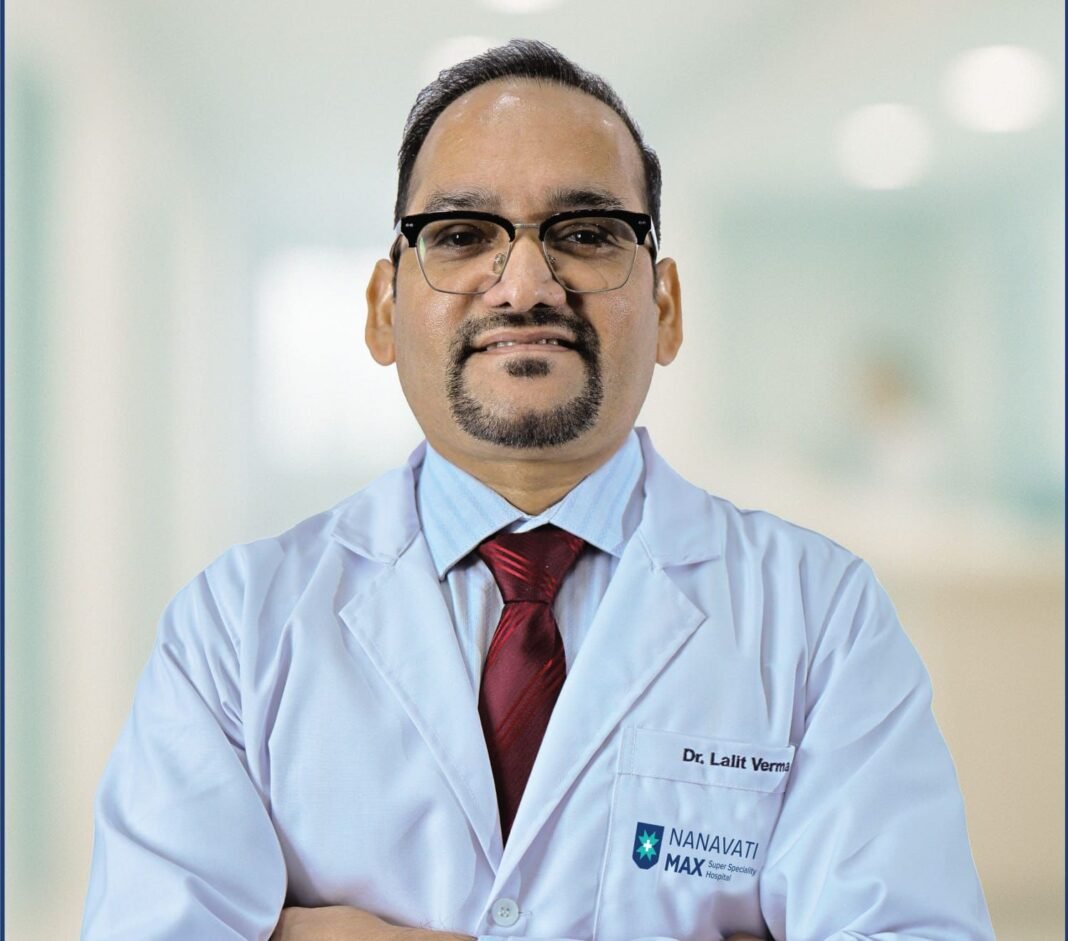
By Dr. Lalit Verma, Associate Director – Paediatric Hepatology, Institute of Liver, Intestine and Pancreas Sciences, Nanavati Max Super Speciality Hospital.
Goa: For children with serious liver disease, a liver transplant is not just a life-saving surgery; it can be the beginning of a healthier childhood. Many children who need a transplant have long-standing problems such as jaundice, poor weight gain, pale or clay-colored stools, swelling of the abdomen, repeated infections, tiredness or delayed development. In conditions such as biliary atresia, where the tubes that carry bile from the liver are blocked or absent, or in inherited liver diseases, the child’s liver may slowly lose its ability to support normal growth and development says Dr Lalit Verma, Associate Director Paediatric Hepatology, Institute of Liver, Intestine & Pancreas Sciences, Nanavati Max Super Speciality Hospital, Mumbai.
Before transplant, these children may struggle because the damaged liver cannot properly process nutrients, clear toxins or support digestion. Poor bile flow can reduce the absorption of fats and important vitamins such as A, D, E and K, which are essential for growth, immunity, eyesight, bone strength and blood clotting. Fluid in the abdomen, repeated infections, itching and fatigue can further affect appetite, sleep, play and school readiness.
After a successful liver transplant, many children show remarkable improvement. One of the most encouraging changes is “catch-up growth”, where the child begins to gain height and weight more steadily after months or years of illness. Energy levels improve, appetite often becomes better, and children are able to participate more actively in school, play and daily routines. With regular developmental monitoring and therapy when required, many children also make progress in movement, speech, learning and social interaction.
However, life after transplant requires disciplined care. Children need regular follow-ups, medicines to prevent rejection of the new liver, vaccination planning, infection precautions and nutritional guidance. Parents play an important role in ensuring that medicines are taken on time, warning signs are not ignored and routine check-ups are maintained.
For families in Goa, timely specialist access can make a major difference. Nanavati Max Super Speciality Hospital, Mumbai, runs an exclusive Paediatric Hepatology and Gastroenterology OPD at Vision Hospital, Mapusa, on the second Friday and Saturday of every month from 9:00 am to 12:00 pm. Children with liver disease, poor growth after treatment, transplant-related concerns or complex gastroenterology problems can be evaluated locally and guided for advanced care when needed. Early expert advice can help children not only survive liver disease, but return to the childhood they deserve.





 Loading ...