

Future big droughts may be worse than we think – NZ’s past shows why
HAMILTON (NEW ZEALAND): (May 16) For an agricultural nation like New Zealand, severe drought is one of the most ominous consequences of a warming planet.
The Climate Change Commission’s latest national risk assessment points to these events becoming more intense over time, particularly in the country’s drier northern and eastern regions.
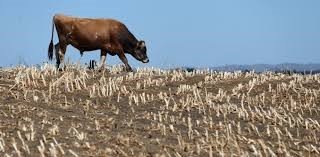
Recent events offer a glimpse of what this can look like: browned paddocks, shrinking reservoirs, dried-out riverbeds and farmers struggling for feed. They have also illustrated the heavy economic toll drought can take. Paleoclimate records and tree-ring data show NZ has experienced “megadroughts” lasting years or even decades long before modern records began. These events dwarf anything seen in the last century. With greenhouse gas emissions driving hotter, drier conditions, scientists say future droughts could match or exceed those historical extremes. Warming lifts evaporation rates, dries soils faster, and shifts rainfall patterns. Eastern regions like Hawke’s Bay, Canterbury, and Marlborough face longer dry spells and less reliable spring rain. NIWA projections suggest that by 2090, parts of the country could see 10-20% more drought-prone days each year. For a country where agriculture makes up about 5% of GDP and over 80% of exports, prolonged water shortages threaten pasture growth, crop yields, hydroelectric generation, and even urban water supply. Regional councils are already reviewing water allocation rules, while farmers invest in storage dams, drought-resilient pastures, and irrigation efficiency.





 Loading ...