

Memes emerge as tools of dissent, shaping public debate in India
~ Memes are part of a broader ecosystem of civic engagement rather than a replacement for on-ground action.
~ Repeated remixing and sharing of memes often signal issues that have struck a collective nerve in India.
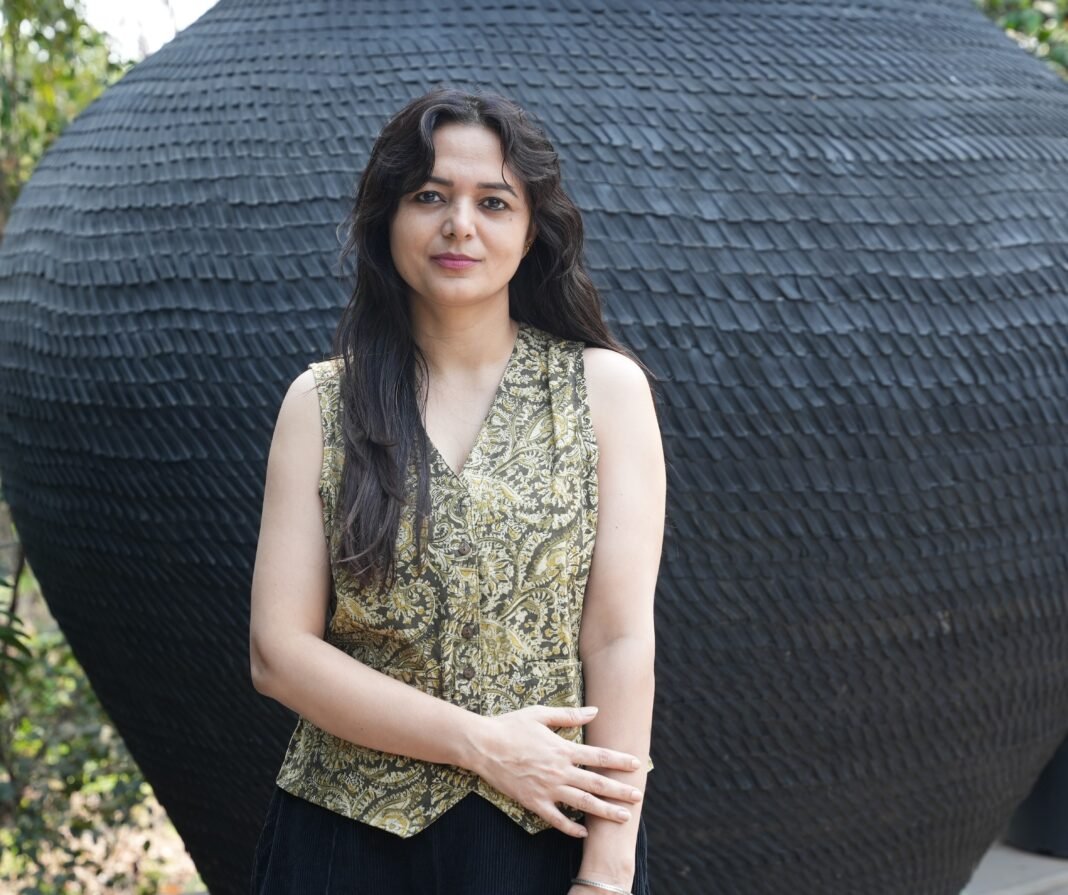
Panaji, January 2026: Memes are increasingly functioning as a form of everyday political expression in India, enabling young people and ordinary citizens to comment on governance, development, tourism and identity at a time when spaces for dissent are shrinking, according to Goa-based digital culture researcher and writer Kavita Kabeer.
Speaking at a recent MOG Sundays session at the Museum of Goa (MOG), Kabeer, who runs the platform Qabiran, examined how memes in India have evolved from internet jokes into a widely used form of communication. Drawing from examples circulating nationally and within smaller states like Goa, she argued that meme-making has become a way for people to “join the conversation” around issues that directly affect their lives.
Unlike traditional cartoons or opinion columns, memes require no institutional backing, editorial approval or professional training. Kabeer noted that this accessibility has made them especially resonant in places like Goa, where creators and audiences often overlap. “In a small state, people know each other both online and offline. That makes digital expression feel more immediate and grounded,” she said.
The session highlighted how Goan memes frequently draw on humour and irony to address everyday concerns such as potholes, environmental degradation, tourism pressures and governance failures. These seemingly light-hearted images, Kabeer explained, often carry layered meanings rooted in lived experience, allowing critique to be shared widely without relying on formal language.
Language and local context also play a critical role. While many Goan memes circulate in English, Konkani or Marathi, Kabeer pointed out that regional references and shared cultural knowledge give memes their power. “Some jokes simply don’t work outside their context. Memes rely on local understanding, and that’s what makes them effective,” she said.
The discussion also addressed the risks associated with humour in the current digital climate. Kabeer noted that across India, comedians, creators and meme-makers increasingly face backlash and surveillance. While humour can sometimes offer cover, she cautioned that it does not guarantee safety. “You may feel under the radar today, but that can change very quickly,” she said.
Participants reflected on how memes can shape public conversations around local issues, not just mirror existing opinions. When a meme is repeatedly remixed and adapted, Kabeer explained, it often signals that a concern has struck a collective nerve, moving from private frustration to shared critique.
Kabeer emphasised that while digital expression is powerful, it cannot replace on-ground engagement. Memes, she said, should be seen as part of a wider ecosystem of participation that includes real-world organising and discussion — especially in a state like Goa, where community action has historically played a central role in shaping public life.
Pic caption 1: Digital creator and writer Kavita Kabeer, presenting her interactive session ‘A-Political Act – How Memes Are Becoming India’s Digital Protest Art’ during a MOG Sunday programme at the Museum of Goa, Pilerne, exploring memes as tools of satire, dissent and digital expression.

Pic caption 2: Digital creator and writer Kavita Kabeer at the Museum of Goa, Pilerne, ahead of her presentation on meme culture as contemporary protest art, examining how humour and internet culture reshape political engagement in India.





 Loading ...